Queen Lunaria Orchid
A Seasonal Embroidery Designer’s First Look
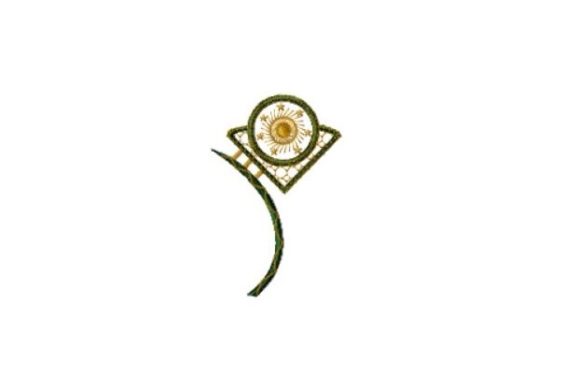
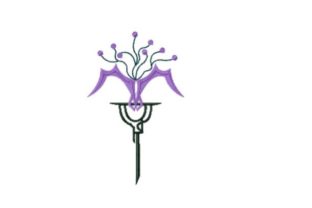
As an embroidery designer who’s built dozens of holiday collections for Etsy sellers, craft fairs, and small apparel brands, I approach every new machine embroidery design with two questions: *Does it spark seasonal emotion?* and *Will it convert into real, sellable products?* The Queen Lunaria Orchid lands strongly on both. From the first glance at the digital embroidery file, it evokes quiet elegance—romantic but grounded, delicate but not fragile. It feels like late spring meeting early autumn: soft florals with a refined silhouette, subtle asymmetry, and layered petal definition that reads beautifully at 3–4 inches wide. It’s neither overly festive nor starkly minimalist—making it unusually versatile across holidays and home moments.
Where Queen Lunaria Orchid Shines in Holiday & Seasonal Product Lines
This isn’t just another floral motif—it’s a mood-setter. For handmade gift makers and Etsy sellers, the Queen Lunaria Orchid elevates everyday items into keepsakes. On a heavyweight kitchen towel? It reads as heirloom-worthy. On a baby onesie or pillow cover? It whispers tenderness without cloying sweetness. As a sweatshirt embroidery for family matching sets (think Mother’s Day brunch or Thanksgiving weekend), its graceful scale and organic flow avoid looking juvenile or generic.
- Tote bags & aprons: Works exceptionally well centered or slightly off-axis—ideal for social media previews and printable mockups.
- Kitchen towel embroidery & table linens: Its balanced stitch density prevents puckering on terry cloth and linen blends when stabilized correctly.
- Embroidered patch & ornament applications: Clean outer edges and moderate fill areas make it stable for iron-on backing or fabric-wrapped ornaments.
- Personalized gifts: Pair it with a subtle monogram or date in a complementary script font—no overcrowding needed. The design carries presence on its own.
- Limited edition apparel: Looks premium on oatmeal, charcoal, or deep sage fabrics—colors that align with current seasonal palettes and resonate with conscious shoppers.
Real-World Considerations for Small Shop Products
Before adding Queen Lunaria Orchid to your next holiday drop, test intentionally—not just for aesthetics, but for production reliability. Here’s what I check:
- Thread colors: Always run test stitches on both light and dark fabric. The design’s tonal gradients respond differently to matte cotton vs. shiny rayon threads—especially in petal highlights.
- Hoop size & stitch density: While the exact hoop size isn’t specified, this is clearly not a tiny 3-inch rounder—it benefits from breathing room. Overcrowding it on small garments risks distortion; under-stabilizing increases thread breakage risk on dense fills.
- Fabric texture: Avoid using it directly on thick, napped towels or stretchy knits without cutaway stabilizer and reduced top tension. It performs best on stable weaves: quilting cotton, twill, medium-weight denim, and brushed poly-cotton blends.
- Commercial embroidery use: Confirm licensing terms before selling finished products. This is critical for Etsy sellers bundling embroidered pillow covers or holiday gift sets.
Emotional & Commercial Impact During Peak Seasons
Holiday shoppers don’t just buy embroidery—they buy meaning. The Queen Lunaria Orchid taps into a growing desire for *quiet luxury*: thoughtful, nature-rooted, and emotionally resonant. Unlike trend-driven motifs that fade by January, this design supports year-round relevance—spring baby showers, summer weddings, fall hostess gifts, even winter solstice gifting. That longevity strengthens brand consistency for small shop owners building a recognizable visual language.
It also boosts perceived value. A simple cotton tote with Queen Lunaria Orchid stitched cleanly reads as curated—not craft-fair basic. That perception translates directly to pricing confidence, repeat customers, and higher engagement on Instagram carousels or Pinterest pins. Buyers notice the balance between detail and clarity; they trust that if the embroidery looks this intentional, the rest of the product will be too.
Designer Notes for Confident Execution
Here’s how I prepare Queen Lunaria Orchid for production—practices that save time and reduce returns:
- Always create realistic mockups—not just flat PNGs. Use actual fabric swatches in your printable mockup to preview how petal shadows fall on textured surfaces.
- Map out matching color palettes in advance: think muted sage + cream, dusty rose + charcoal, or ivory + warm taupe. These pairings reinforce seasonal cohesion across your full collection.
- Review small details post-stitch: check petal tips and stem junctions for skipped stitches or thread nests—common with layered botanicals.
- Use tear-away stabilizer for crisp fabrics; switch to cutaway for knits or high-wash items like baby bibs or kitchen linens.
- When offering personalized gifts, build buffer time into your turnaround—this design rewards careful hooping and thread changes, especially if mixing metallic or variegated threads.
Final Thought: A Design That Grows With Your Shop
The Queen Lunaria Orchid isn’t just a seasonal embroidery—it’s a foundational piece. It bridges Sewing and Embroidery communities effortlessly: quilters love its botanical authenticity, apparel decorators appreciate its clean stitch path, and holiday product creators rely on its emotional warmth. For Etsy sellers launching their first holiday line or seasoned crafters expanding into home decor, it’s a low-risk, high-reward addition. It doesn’t shout—but it lingers. And in a crowded holiday marketplace, that kind of quiet distinction is exactly what turns browsers into buyers, and one-time customers into loyal fans.